
This is the beginning of the story of how Cottonwood Creek became the magnet that drew Madera County’s founding father to California. It also tells how changing the name of “Cesar Chavez” school to “Cottonwood Creek” school was a serendipitous decision.
It all began in 1868 when a group of Southern planters decided to abandon Dixie to escape the Yankee rule of Reconstruction. Three of the Rebels, S. A. Holmes, Major C. A. Reading, and Samuel Strudwick, emerged as leaders and were designated to sail to California to find a location that would be suitable for the expatriates to settle. It had to be isolated, unattractive to the average farmer yet open to irrigation.
The trio set sail and arrived in San Francisco in May of 1868. They found their way to the federal land office to examine the plat maps. It didn’t take long to find that for which they were looking. There on the floor of the San Joaquin Valley was an expanse of land that was perfect. It was remote; it would accommodate all of the settlers, and it had water flowing through it — Cottonwood Creek.
In a matter of weeks, this name was on every settler’s lips. They were going to California and set up their new plantations. Letters crisscrossed Alabama, Mississippi, and North Carolina as the settlers shared their excitement about Cottonwood Creek.
In the meantime, the three advance pioneers prepared to receive their compatriots. They decided to give their colony a name that reflected their Southern origins, so they chose “The Alabama Settlement” in honor of Mr. Strudwick who was from Alabama. Then they drew a map of their colony. They labeled their neighborhood “The Alabama Settlement” but clearly labeled Cottonwood Creek, which came to designate both the creek and the area.
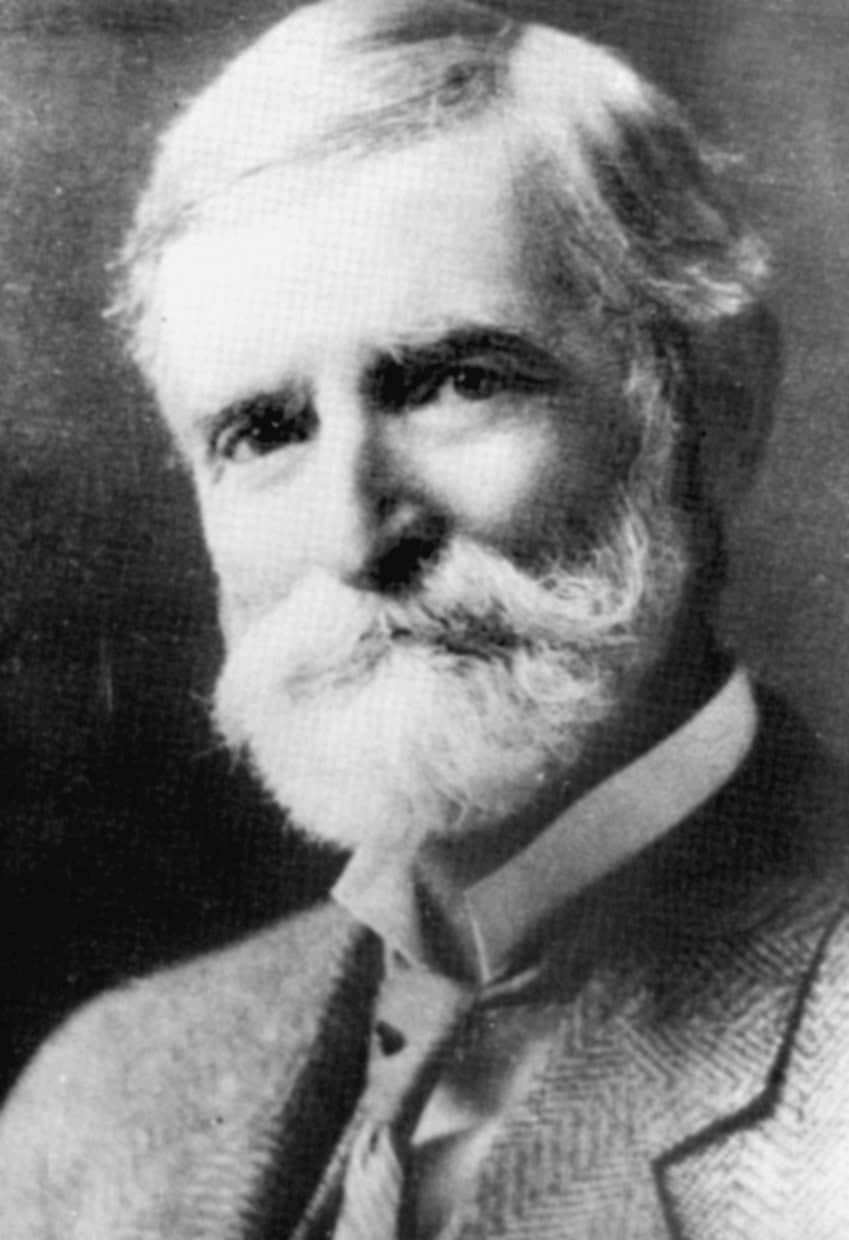
Before the summer was over, Southern settlers could be seen occupying their preemptions along Cottonwood Creek, but on July 22nd the Creek received a North Carolinian that would give the area its definition. George Washington Mordecai arrived in California and joined the Alabama Settlement.
For the next few years, the transplants from Dixie gave it everything they had. They tilled the soil from sunup to sundown and just barely hung on. Finally, they could take it no longer. One by one, they gave up and drifted off to find employment in one of the towns that were springing up in California. By 1876, only Mordecai, the Prince of Cottonwood Creek, remained on the land, and it became his bailiwick.
Through the next decade Mordecai expanded his ranching operation to include livestock, then he turned to politics. In 1890 he ran for a seat in the California State Assembly and won. Two years later, he ran for reelection and won again. Now he made ready to put the political spotlight on Cottonwood Creek.
As an Assemblyman, he found himself at the center of a movement to create Madera County out of that part of Fresno County that lay north of the San Joaquin River. That turned all eyes toward Cottonwood Creek. The proponents of county division set out to persuade their representative to introduce legislation that would authorize an election to determine the will of the people. That discussion began and ended at the Mordecai ranch on Cottonwood Creek.
Mordecai took the requests of his constituents to heart and in May 1893, the people spoke. They voted to create Madera County. This set off a celebration, the likes of which will never again be seen on Cottonwood Creek, unless the naming of the school by that name is recognized for its historical significance.
So now we leave it to the school — its students and teachers. Will they wear the mantle of History and listen to Clio, the Muse of History? Will they dig into the past and recover their own story? Will they restore to “Cottonwood Creek” the honor it deserves?This is the beginning of the story of how Cottonwood Creek became the magnet that drew Madera County’s founding father to California. It also tells how changing the name of “Cesar Chavez” school to “Cottonwood Creek” school was a serendipitous decision.
It all began in 1868 when a group of Southern planters decided to abandon Dixie to escape the Yankee rule of Reconstruction. Three of the Rebels, S. A. Holmes, Major C. A. Reading, and Samuel Strudwick, emerged as leaders and were designated to sail to California to find a location that would be suitable for the expatriates to settle. It had to be isolated, unattractive to the average farmer yet open to irrigation.
The trio set sail and arrived in San Francisco in May of 1868. They found their way to the federal land office to examine the plat maps. It didn’t take long to find that for which they were looking. There on the floor of the San Joaquin Valley was an expanse of land that was perfect. It was remote; it would accommodate all of the settlers, and it had water flowing through it — Cottonwood Creek.
In a matter of weeks, this name was on every settler’s lips. They were going to California and set up their new plantations. Letters crisscrossed Alabama, Mississippi, and North Carolina as the settlers shared their excitement about Cottonwood Creek.
In the meantime, the three advance pioneers prepared to receive their compatriots. They decided to give their colony a name that reflected their Southern origins, so they chose “The Alabama Settlement” in honor of Mr. Strudwick who was from Alabama. Then they drew a map of their colony. They labeled their neighborhood “The Alabama Settlement” but clearly labeled Cottonwood Creek, which came to designate both the creek and the area.
Before the summer was over, Southern settlers could be seen occupying their preemptions along Cottonwood Creek, but on July 22nd the Creek received a North Carolinian that would give the area its definition. George Washington Mordecai arrived in California and joined the Alabama Settlement.
For the next few years, the transplants from Dixie gave it everything they had. They tilled the soil from sunup to sundown and just barely hung on. Finally, they could take it no longer. One by one, they gave up and drifted off to find employment in one of the towns that were springing up in California. By 1876, only Mordecai, the Prince of Cottonwood Creek, remained on the land, and it became his bailiwick.
Through the next decade Mordecai expanded his ranching operation to include livestock, then he turned to politics. In 1890 he ran for a seat in the California State Assembly and won. Two years later, he ran for reelection and won again. Now he made ready to put the political spotlight on Cottonwood Creek.
As an Assemblyman, he found himself at the center of a movement to create Madera County out of that part of Fresno County that lay north of the San Joaquin River. That turned all eyes toward Cottonwood Creek. The proponents of county division set out to persuade their representative to introduce legislation that would authorize an election to determine the will of the people. That discussion began and ended at the Mordecai ranch on Cottonwood Creek.
Mordecai took the requests of his constituents to heart and in May 1893, the people spoke. They voted to create Madera County. This set off a celebration, the likes of which will never again be seen on Cottonwood Creek, unless the naming of the school by that name is recognized for its historical significance.
So now we leave it to the school — its students and teachers. Will they wear the mantle of History and listen to Clio, the Muse of History? Will they dig into the past and recover their own story? Will they restore to “Cottonwood Creek” the honor it deserves?